
Oral Cancer Screening in Frisco, TX
Dr. Shilpa Kelkar takes a thorough, patient-focused approach to preventive care and will explain any findings clearly. An oral cancer screening does not diagnose cancer, but identifying suspicious changes early can help determine when additional evaluation is appropriate.
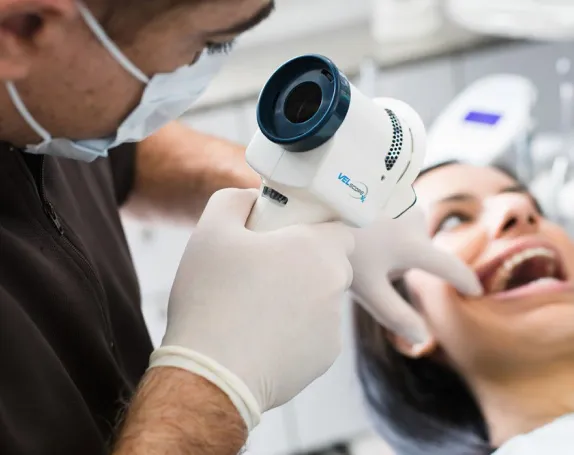
Understanding Oral Cancer Screening
Oral cancer screening is a preventive dental service that focuses on identifying unusual changes in the tissues of the mouth and surrounding areas.
During a screening, our dentist may examine areas such as the lips, cheeks, gums, tongue, floor and roof of the mouth and other visible oral tissues. Dr. Kelkar may also examine the jaw and neck for unusual swelling, tenderness or lumps.
The goal is to identify changes that may need to be monitored, reevaluated or referred for additional testing.
What Can an Oral Cancer Screening Identify?
Our dentist may look for changes such as:
- Sores or irritated areas that are not healing as expected.
- Red, white or unusually colored patches of tissue.
- Lumps, thickened areas or unexplained swelling.
- Changes in the appearance or texture of oral tissues.
- Unexplained tenderness or abnormal areas in the mouth, jaw or neck.
Many oral changes are not cancerous. If Dr. Kelkar notices something unusual, further evaluation may be recommended to determine the cause.
Who Should Consider Oral Cancer Screening?
Oral cancer screening can be an important part of routine dental care for adults, particularly when risk factors or unexplained oral changes are present.
Dr. Kelkar may pay particular attention to screening if you have:
- A history of tobacco use.
- Frequent or heavy alcohol use.
- A personal history of oral cancer or suspicious oral lesions.
- Persistent sores, patches, lumps or tissue changes.
- Other individual factors that may affect your oral health.
Our dentist will consider your health history and clinical findings when determining whether an area requires additional attention.
What To Expect During an Oral Cancer Screening
An oral cancer screening is generally quick and noninvasive and may be completed as part of a routine dental examination.
- Health history review: Dr. Kelkar may ask about changes you have noticed, relevant health history and factors that could affect your oral health.
- Visual examination: Our dentist will carefully inspect the lips, tongue, gums, cheeks and other oral tissues for unusual areas.
- Physical examination: Dr. Kelkar may gently feel areas of the jaw, neck or oral tissues to check for lumps, swelling or changes in texture.
- Discussion of findings: If an area looks unusual, our dentist will explain what was found and recommend an appropriate next step.
What Happens if an Unusual Area Is Found?
Finding an abnormal area during an oral cancer screening does not mean you have cancer. Many tissue changes can have other causes, including irritation, infection or trauma.
Depending on the appearance of the area and your health history, Dr. Kelkar may recommend:
- Monitoring the area for changes.
- Rechecking it at a follow-up visit.
- Addressing a possible source of irritation.
- Referral to an appropriate specialist for further evaluation or testing.
A screening is designed to identify areas that deserve additional attention, not to provide a definitive diagnosis.
Benefits of Routine Oral Cancer Screening
Including oral tissue evaluation in your preventive dental care may help:
- Identify suspicious or unusual tissue changes earlier.
- Establish a baseline for monitoring changes over time.
- Bring attention to sores, patches or lumps that might otherwise be overlooked.
- Provide an opportunity to discuss personal risk factors with your dentist.
- Determine when additional evaluation may be appropriate.
Routine dental exams also give Dr. Kelkar regular opportunities to monitor changes in your teeth, gums and oral tissues.
A Thorough Approach to Preventive Dental Care
Dr. Shilpa Kelkar has practiced dentistry since 2010 and brings 16 years of clinical experience to comprehensive dental care. Her approach emphasizes detailed examinations, prevention and helping patients understand changes in their oral health.
At Smile Breeze Dentistry, oral cancer screening is considered within the broader context of your dental history, current symptoms and overall preventive care needs.
Schedule an Oral Cancer Screening
If you have noticed an unusual sore, patch, lump or other change in your mouth, or if you are due for a preventive dental examination, our dentist can evaluate your oral tissues and discuss any concerns.
Schedule an appointment online or call 972-464-1124 to schedule an oral cancer screening in Frisco, TX, with Dr. Shilpa Kelkar.